Shangri-La
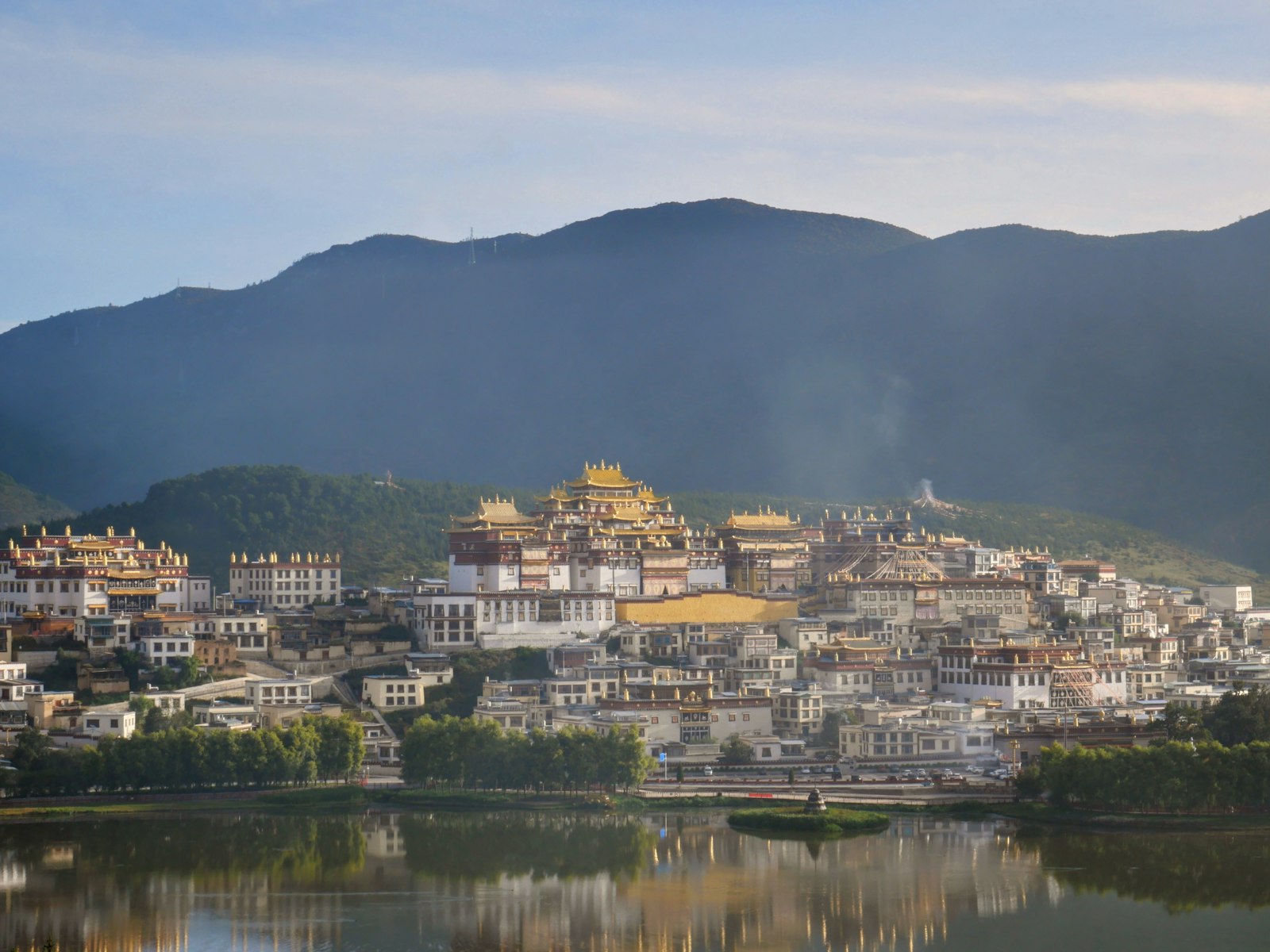
Tibetan highlands where Songzanlin Monastery's golden roofs rise above the plateau and Pudacuo's alpine lakes.
Sightseeing map
Major local sights pinned on a satellite map — tap a marker for its name.
- 1 Dukezong Old Town
- 2 Meili Snow Mountain (Feilaisi)
- 3 Songzanlin Monastery
- 4 Napahai & Yila Grassland
- 5 Pudacuo National Park
- 6 Tiger Leaping Gorge
- 7 Yubeng Village
- 8 Haba Snow Mountain
- 9 Baishuitai Terraces
- 11 Balagezong Grand Canyon
- Best season
- Winter (Nov–Mar) can reach -20°C with heavy snow, yet it is the best time for the golden sunrise on Meili Snow Mountain, at its finest in early January. Summer (May–Oct) is 20–25°C with wildflowers on the grassland, though June to August brings rain and landslide risk. Autumn has the richest colour and is the best window for photography and trekking.
- Time to allow
- Three days.
- Altitude
- 3300 m
About
Capital of the Diqing Tibetan Autonomous Prefecture and the only Tibetan region in Yunnan, at about 3,300 m — the high-altitude finale of the grand loop. It lies in the core of the Three Parallel Rivers World Heritage site; roughly a third of the population is Tibetan and forest covers nearly 80% of the land.
Getting there
The Lijiang–Shangri-La railway opened at the end of 2023: about 1 hour 10 minutes for around ¥60. From Kunming it is roughly 5 hours at ¥240–246. Take the train rather than fly — climbing gradually from Lijiang's 2,416 m makes a noticeable difference to how the altitude feels.
Getting around
Local transport is the weakest of any of these places: six bus routes, last service at 18:00, no shared bikes, and taxis hard to find after dark. The sights are far apart too — Meili Snow Mountain is about 4.5 hours each way, and Pudacuo, Tiger Leaping Gorge and Baishuitai all need a vehicle.
What to eat
Yak, highland barley, butter tea and Tibetan hotpot. Butter tea is salty and coarse-textured, and many visitors do not take to it; the range of Tibetan food is also narrower than in Lijiang.
Know before you go
About half of visitors feel the altitude — headache, dizziness, shortness of breath. The annual average is only about 6°C with wide daily swings; in March and April a single day can drop 30°C. This is also where the tourist traps concentrate: fake yak jerky, marked-up prayer wheels, hidden costs on group tours. There is no top-tier hospital, so serious cases are transferred to Dali or Kunming.
- Sights here
- Routes through here
Email us for free travel info: shangrila@turtlecharter.com